Voir Dire Insights
Expert strategies, tips, and best practices for mastering jury selection and improving your trial outcomes.
Featured Article

Mastering Voir Dire: The Fundamentals Every Attorney Should Know
Learn the essential principles of jury selection that can make or break your case, from understanding juror psychology to asking the right questions.
Recent Articles
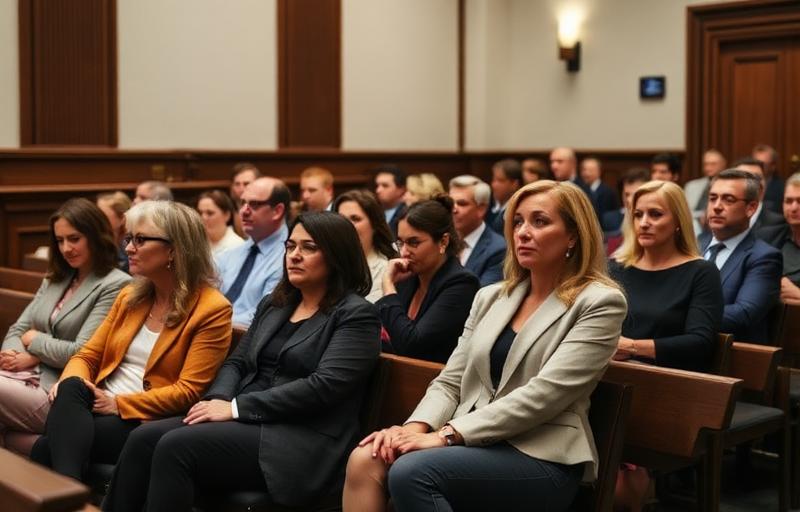
The Psychology Behind Effective Jury Selection
Discover how understanding human psychology can help you identify favorable jurors and recognize hidden biases during voir dire.
Asking the Right Questions: A Voir Dire Question Bank
A comprehensive guide to crafting questions that reveal juror biases and help you make informed selection decisions.

Strategic Use of Peremptory Challenges
Learn how to maximize the impact of your limited peremptory challenges while staying within constitutional bounds.
All Articles

Winning Challenges for Cause: A Systematic Approach
Master the art of establishing grounds for cause challenges to save your peremptory strikes for when you really need them.
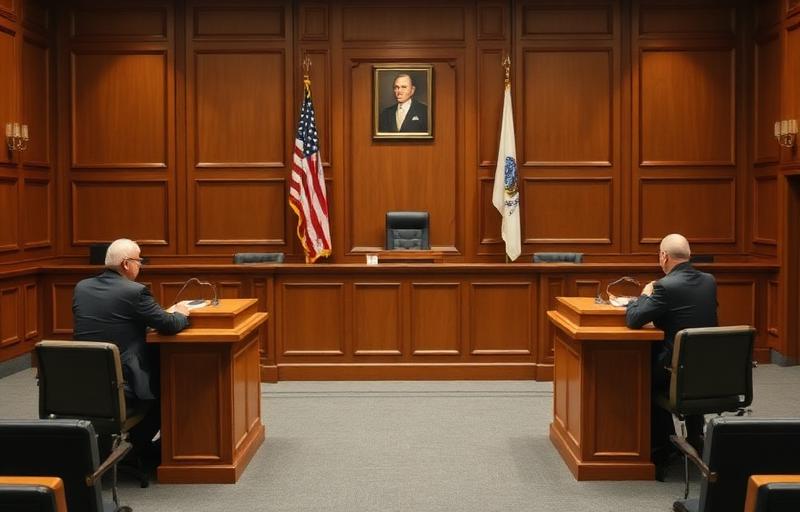
Civil vs. Criminal Voir Dire: Key Differences
Understand how jury selection strategy differs between civil and criminal cases, and how to adapt your approach.

Reading Juror Body Language During Voir Dire
Learn to decode non-verbal cues that reveal what jurors really think—even when their words say otherwise.

Addressing Implicit Bias in Jury Selection
Strategies for identifying and addressing unconscious biases that can affect juror decision-making.

Jury Selection in High-Profile Cases
Special considerations for selecting juries when media coverage and public opinion create unique challenges.

Technology in Modern Voir Dire Practice
How digital tools are transforming jury selection, from online research to real-time analytics.
Voir Dire Tips for Defense Attorneys
Specialized strategies for criminal defense attorneys seeking to protect their clients' rights through effective jury selection.
Winning Jury Selection for Plaintiff Attorneys
How plaintiff attorneys can identify jurors who will fairly evaluate damages and hold defendants accountable.

Jury Selection in Medical Malpractice Cases
Navigate the unique challenges of selecting juries in complex medical litigation.

Working Effectively with Jury Consultants
Maximize the value of jury consulting services by understanding how to collaborate effectively during selection.
Strategies for Time-Limited Voir Dire
How to maximize effectiveness when courts impose strict time limits on jury selection questioning.
The Often-Overlooked Art of Alternate Juror Selection
Why alternate juror selection deserves more attention and how to approach it strategically.

Effective Note-Taking Systems for Voir Dire
Develop a note-taking system that captures critical information without losing connection with jurors.
Ethical Social Media Research on Potential Jurors
Navigate the boundaries of online juror research while gathering valuable background information.
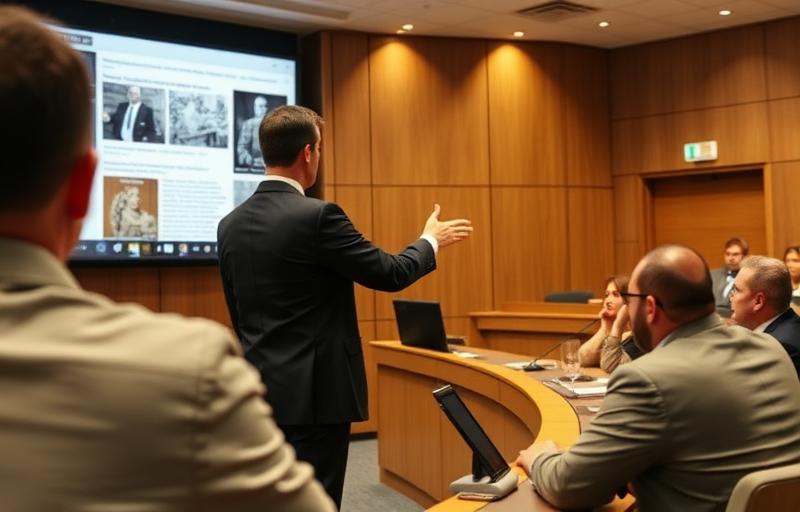
20 Common Jury Selection Mistakes to Avoid
Learn from others' errors by understanding the most frequent voir dire mistakes and how to prevent them.
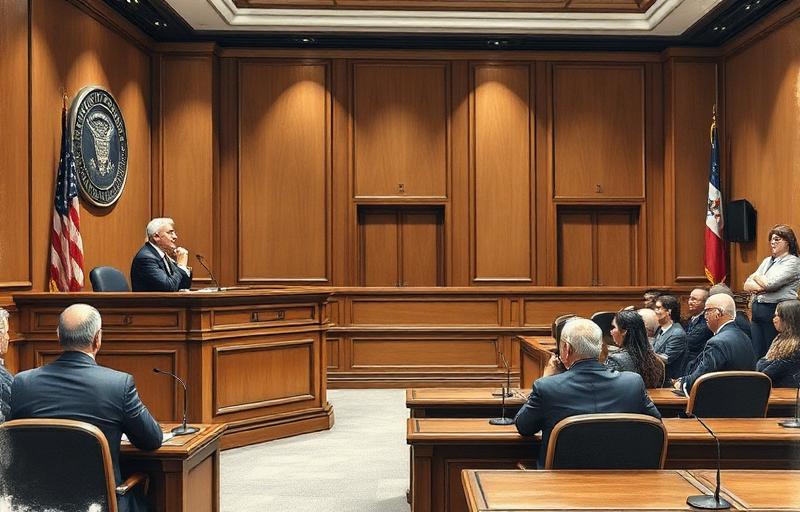
Learning from Post-Verdict Juror Feedback
How to conduct post-trial juror interviews and use feedback to improve future jury selections.