Learn the essential principles of jury selection that can make or break your case, from understanding juror psychology to asking the right questions.
Voir dire is arguably the most critical phase of any trial. It's your first—and often only—opportunity to shape the composition of the jury that will decide your client's fate.
Understanding the Purpose
The term "voir dire" comes from Old French, meaning "to speak the truth." During this process, attorneys question potential jurors to identify biases, prejudices, or experiences that might affect their ability to be fair and impartial.
Key Principles
1. Build Rapport Early
Your first impression matters. Jurors are often nervous and unfamiliar with the legal process. Making them comfortable will lead to more honest answers.
2. Ask Open-Ended Questions
Avoid yes/no questions when possible. Questions like "Tell me about your experience with..." yield more valuable information than "Have you ever...?"
3. Listen More Than You Talk
Many attorneys make the mistake of dominating voir dire. Remember, your goal is to learn about the jurors, not to lecture them.
4. Watch for Non-Verbal Cues
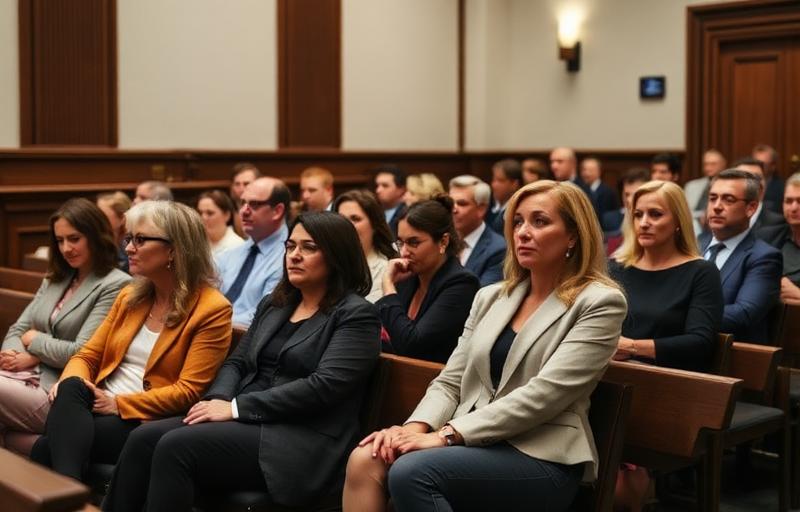
Body language often reveals more than words. Notice crossed arms, eye contact avoidance, or nervous fidgeting.
Common Mistakes to Avoid
The Strategic Value
Effective voir dire isn't just about eliminating bad jurors—it's about identifying champions for your case. These are jurors who will advocate for your position during deliberations.
How Jury Select Helps
Jury Select transforms your voir dire preparation with its intuitive juror tracking system. Instead of juggling paper notes and losing track of critical observations, you can instantly record juror responses, flag concerns, and visualize your entire panel at a glance. The risk assessment feature helps you identify potential problem jurors before they ever reach the box.