Discover how understanding human psychology can help you identify favorable jurors and recognize hidden biases during voir dire.
Understanding human psychology is fundamental to successful jury selection. While we can never predict with certainty how a juror will vote, psychological principles can guide our decisions.
Cognitive Biases in the Jury Box
Confirmation Bias
Jurors tend to favor information that confirms their existing beliefs. During voir dire, probe for preconceptions about your case type.
Authority Bias
Some jurors give more weight to expert testimony simply because of credentials. This can work for or against you depending on your witness list.
Halo Effect
First impressions color subsequent judgments. A juror who initially views your client favorably may interpret ambiguous evidence more charitably.
Personality Types and Verdict Tendencies
Research suggests certain personality traits correlate with verdict tendencies:
Reading Between the Lines
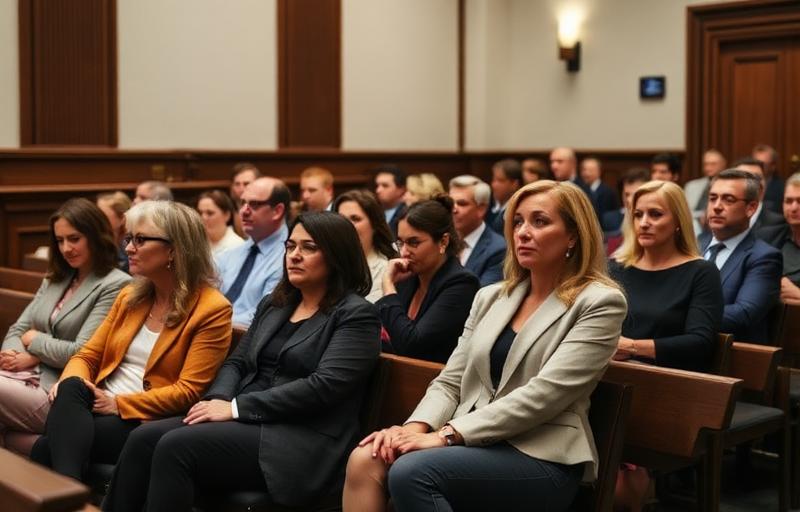
Jurors rarely reveal their true biases directly. Learn to interpret: - Hesitation before answering - Qualifications and hedging language - Stories they choose to share - Questions they ask
Building Your Ideal Jury Profile
Before voir dire begins, develop a profile of your ideal juror based on: - Case-specific factors - Demographic research - Past trial experience - Venue characteristics
How Jury Select Helps
With Jury Select's comprehensive note-taking and tagging system, you can track psychological indicators for each juror in real-time. Color-coded risk ratings help you quickly categorize jurors based on observed personality traits and responses, making it easier to build your ideal jury profile.