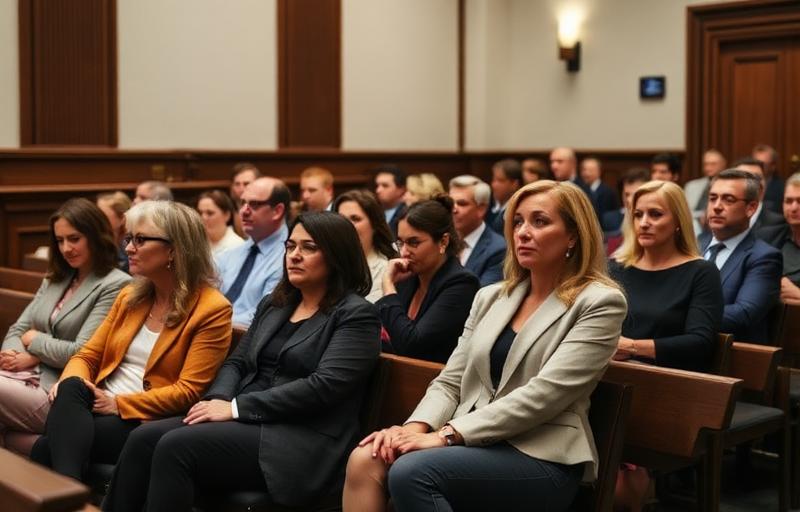
Learn to decode non-verbal cues that reveal what jurors really think—even when their words say otherwise.
Words only tell part of the story. Learning to read body language can reveal crucial information about potential jurors.
Baseline Behavior
Before analyzing specific cues, establish each juror's baseline: - How do they normally sit? - What's their typical eye contact pattern? - How much do they normally gesture?
Deviations from baseline are more meaningful than isolated behaviors.
Signs of Discomfort
Watch for these indicators when asking sensitive questions: - Crossing arms or legs (defensive posture) - Looking away or down - Touching face or neck - Shifting in seat - Clearing throat frequently
Signs of Engagement
Positive indicators include: - Leaning forward - Maintaining eye contact - Nodding while you speak - Open palm gestures - Relaxed posture
Deception Indicators
While no single cue proves deception, clusters may suggest concern: - Inconsistency between words and expressions - Delayed or exaggerated emotional responses - Excessive detail or vagueness - Grooming gestures (smoothing hair, adjusting clothing)
Practical Tips
Limitations
Remember that body language is probabilistic, not deterministic. Cultural differences, personal habits, and the stress of the courtroom all affect behavior.