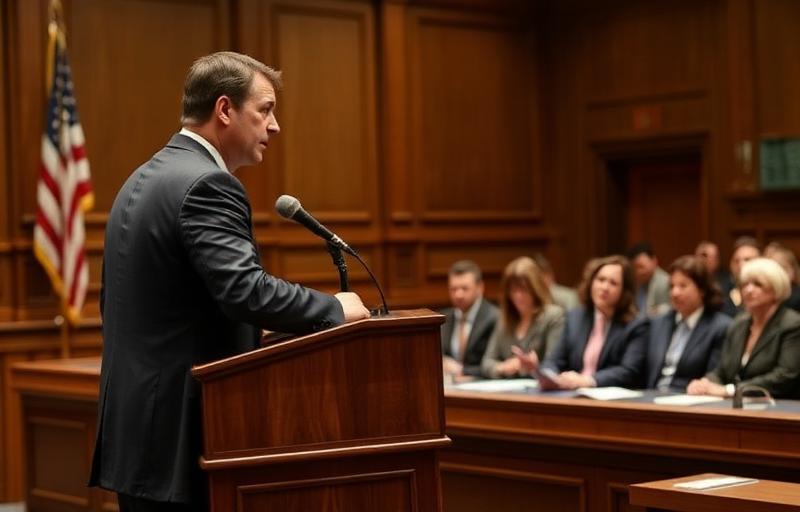
Master the art of establishing grounds for cause challenges to save your peremptory strikes for when you really need them.
Every successful challenge for cause saves you a peremptory strike. Here's how to maximize your success rate.
Grounds for Cause Challenges
Jurors may be removed for cause when they: - Have a personal connection to parties or witnesses - Express inability to be fair and impartial - Cannot follow the law as instructed - Have predetermined opinions about the case - Face hardship that would impair their service
The Art of Commitment
The key to cause challenges is getting jurors to commit to their positions:
Step 1: Explore the Issue
"I understand you've had a negative experience with insurance companies. Tell me more about that."
Step 2: Quantify the Impact
"On a scale of 1 to 10, how much would you say that experience affects your view today?"
Step 3: Test for Flexibility
"Even knowing you'd be instructed to be fair, do you think that experience might influence you?"
Step 4: Lock In the Answer
"So if I understand correctly, you're saying you couldn't set that aside completely?"
Rehabilitation Prevention
Opposing counsel will try to rehabilitate challenged jurors. Preempt this by: - Getting specific, detailed commitments - Asking about confidence levels - Confirming answers multiple times - Using the juror's own words
Making Your Record
When arguing your cause challenge: - Cite specific juror statements - Reference applicable case law - Explain why rehabilitation was insufficient - Be respectful but firm
How Jury Select Helps
Jury Select's detailed note-taking system captures exact juror quotes and responses, making it easy to recall specific statements when arguing your cause challenges. The ability to flag jurors for cause review ensures you never miss an opportunity to preserve your peremptory strikes.